Roots
Experience in machining and software
Our team has built machine tools, manufacturing systems and AI products. We understand how title blocks, revisions and tolerances affect work on the floor.
ABOUT US
RemoteNC started with machine tools and manufacturing software.
CADASU grew from the drawing work we saw engineers repeat every day.
01, Where it started
RemoteNC began with machine tools, not software.
We spent those early years in machining plants—watching tool changes, waiting for customer drawings and entering dimensions by hand before the day ended.
That work taught us the pace of manufacturing: quotes due the next morning, revision changes that must reach production immediately, and inspection sheets finished before shipment. The tasks look simple, but the volume is high and mistakes are costly.
We later turned those lessons into an ERP. It improved the flow, but one bottleneck remained: an experienced person still had to read every drawing before quoting, production or inspection could begin.
CADASU was built to remove that bottleneck.
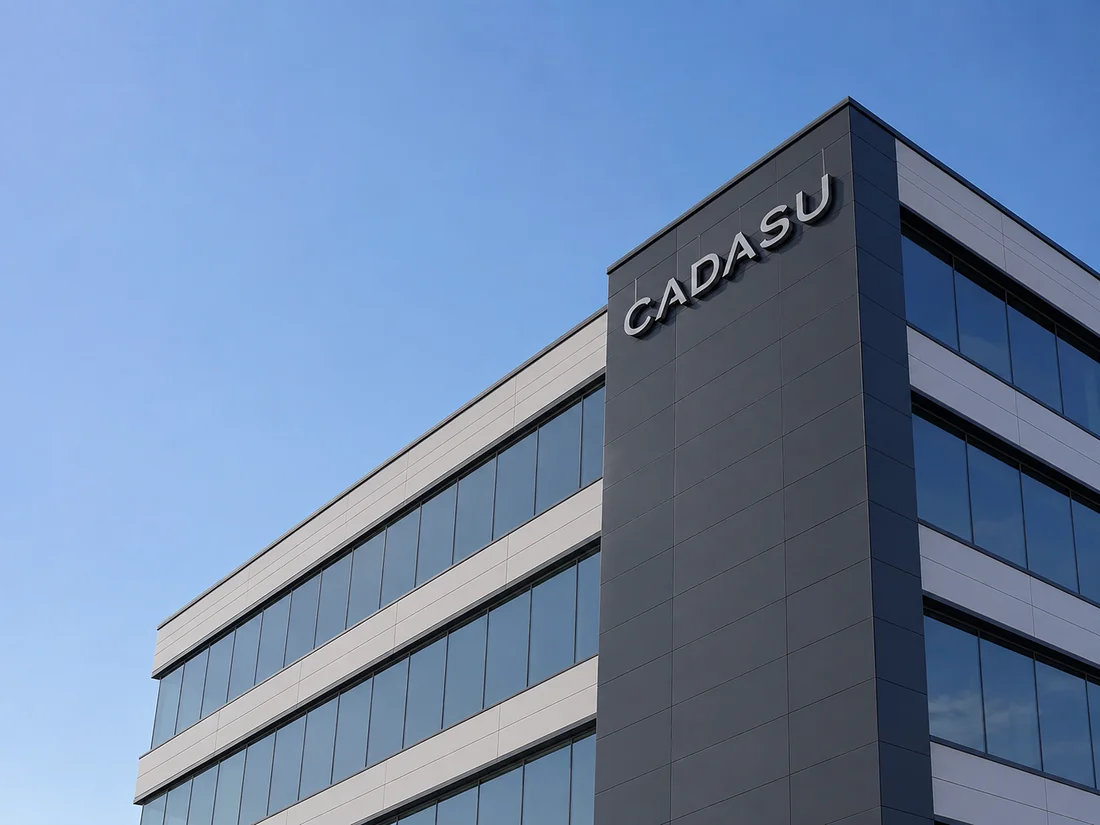
Roots
Our team has built machine tools, manufacturing systems and AI products. We understand how title blocks, revisions and tolerances affect work on the floor.
Team
Team members have worked at Google, LINE and Trend Micro. They develop CADASU alongside colleagues with more than a decade of manufacturing experience.
02, How we build
01
Sales, engineering and quality read the same drawing for different reasons. We design each tool around the person doing the work and the decision they need to make.
02
Extracted dimensions are marked on the drawing. Answers from internal documents include the file and page. A person keeps final approval.
03
We begin with a real drawing and one defined workflow. Once the result is useful, we discuss integration, customisation and wider deployment.
03, Milestones
From selling machines to selling software to training our own models, every step was pushed by the shop floor.
The company was founded around machine tools. The rules, the vocabulary and the rhythm of the shop floor were all learned then, and so was our running list of what hurts in this industry.
We turned the potholes we had hit into a system and started selling software instead of machines. From quoting to work orders to inventory and costing, that ERP still runs daily in customer plants, and it gave us first-hand knowledge of how manufacturing data is actually shaped.
We began developing models that read engineering drawings, what became CADASU AI.
NVIDIA's technical and computing resources support our model development and training.
The funding went into model research and delivery capacity. Most of it goes to one thing: making the model read more accurately and making it easier to adopt.
04, Join us
We work on practical problems in drawing review, quoting, inspection and production data.
If you want to build software that runs inside real manufacturing workflows, we would like to hear from you.