KNOWLEDGE
Blog
Reading the drawing, cutting the metal, measuring it, and the last sheet before it ships. The things this trade deals with every day, explained one at a time.
32 articles · page 2 of 4
What every character of M8×1.25-6H is telling you
A thread callout is the densest run of characters on a part drawing. This piece takes apart the structure of metric and imperial designations, explains how tolerance class relates to length of engagement, and sets out how tapping drill sizes and effective thread depth are worked out.
Read more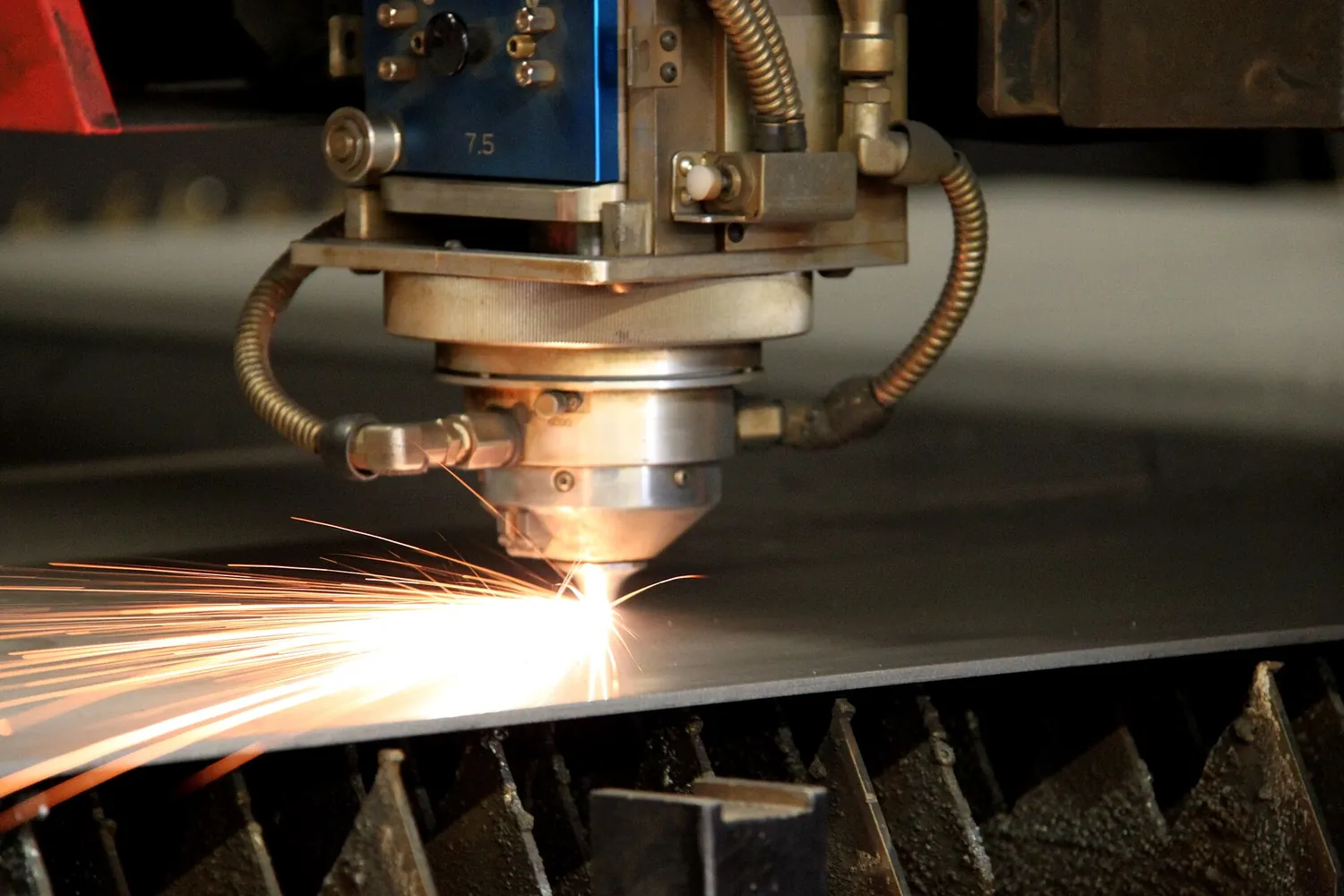 Wikimedia Commons・Laserkop van Amada FO-4020NT 4kW・CC0
Manufacturing processes12 min
Wikimedia Commons・Laserkop van Amada FO-4020NT 4kW・CC0
Manufacturing processes12 min
What a laser will cut, and what it will not
The same laser cuts steel but not copper, marks plastic but not glass, the difference is wavelength and how the material absorbs it. This piece sorts out fibre, CO₂ and UV lasers, and how cut quality and mark readability are judged.
Read more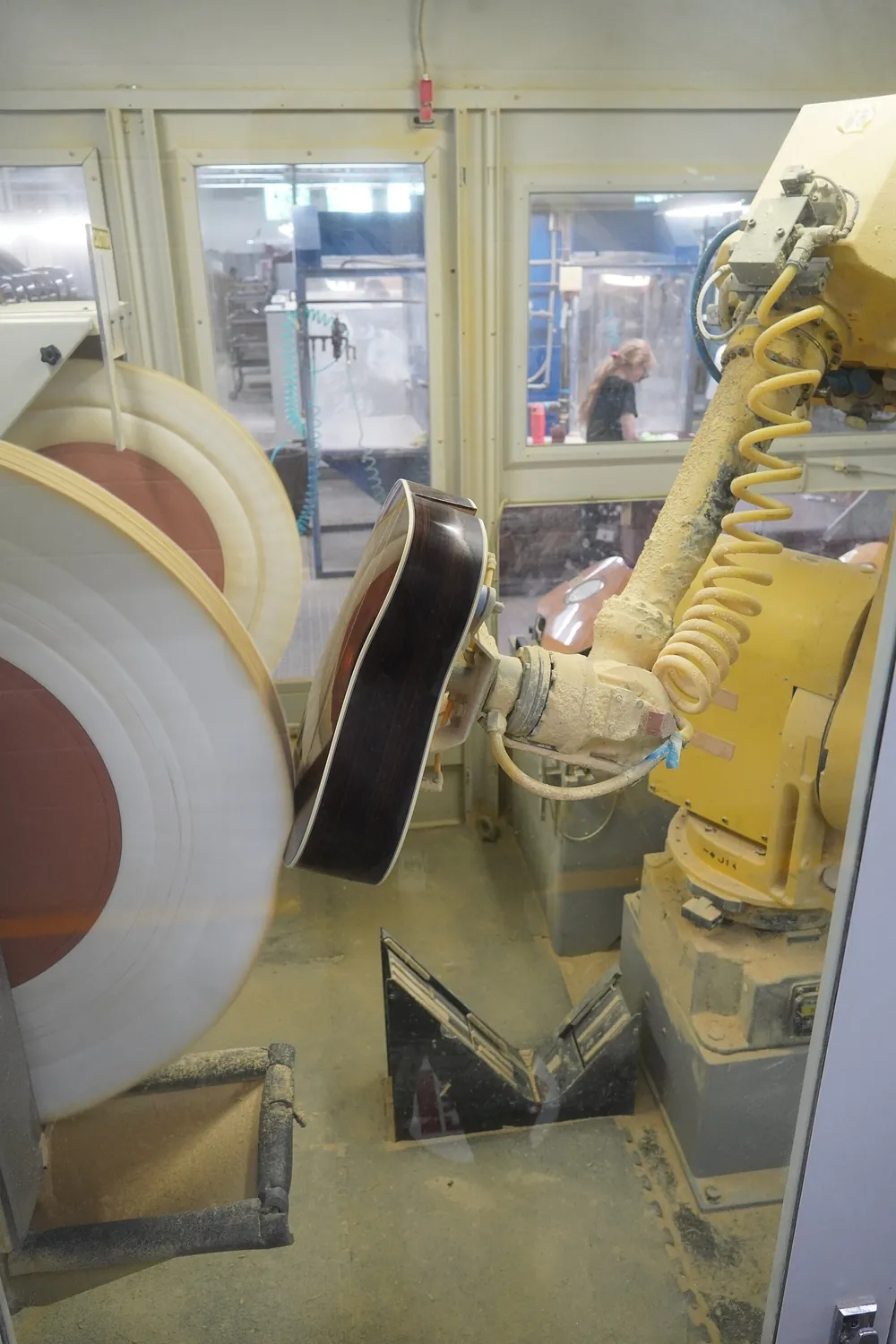 Wikimedia Commons・Robotic Arm Polishing Guitars at Martin Guitar・CC BY 4.0
Automated inspection12 min
Wikimedia Commons・Robotic Arm Polishing Guitars at Martin Guitar・CC BY 4.0
Automated inspection12 min
Whether machine vision can see it is half decided by the lighting
Eight times out of ten a vision inspection fails because of the lighting, not the algorithm. This piece covers how field of view and resolution are calculated, what each of six lighting techniques is good at catching, and the three questions to ask before installing automated inspection.
Read more Materials12 minThat one line of heat treatment on the drawing, what does the shop actually do?
“Q&T HRC28-32” and “carburise and quench HRC58-62, case depth 0.8–1.2” specify completely different operations and costs. This piece explains how the common treatments work, how hardness is stated, and how the position of heat treatment in the routing changes the whole process.
Read more Drawing interpretation10 minYou have a drawing in front of you. Where do the first five seconds go?
Faced with an unfamiliar drawing, the first thing to check is not a dimension. It is the projection method, the scale, the units and the general tolerance. This piece covers what a title block must contain, the difference between first and third angle, and what sheet sizes and zone references are for.
Read more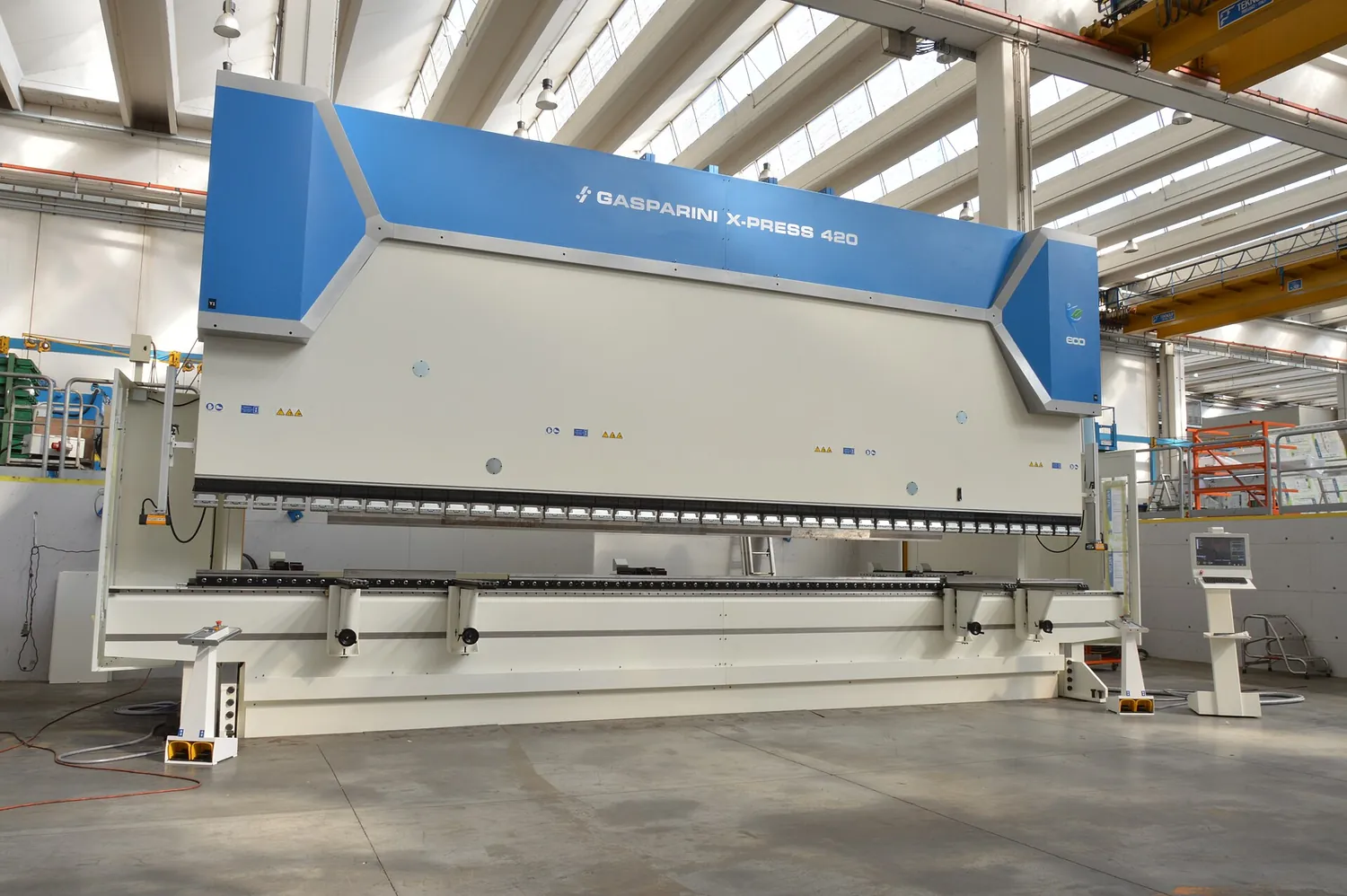 Wikimedia Commons・High-tonnage press brake・CC BY-SA 4.0
Manufacturing processes12 min
Wikimedia Commons・High-tonnage press brake・CC BY-SA 4.0
Manufacturing processes12 min
Why a flat pattern is not just the sides added together
When a sheet-metal blank is cut to the wrong size, eight times out of ten the flat pattern was calculated wrongly. This piece explains what the neutral axis and the K factor physically mean, how bend allowance and bend deduction are worked out, and the design rules such as the minimum distance from a hole to a bend line.
Read more Cpk Quality management12 minProcess capability indices: what separates Cp, Cpk and Ppk
Cpk 1.33 is a threshold many customers set, but it assumes the process is already stable. This piece explains the difference between the four indices, how they map to defect rates, and why calculating Cpk for a drifting process means nothing.
Read more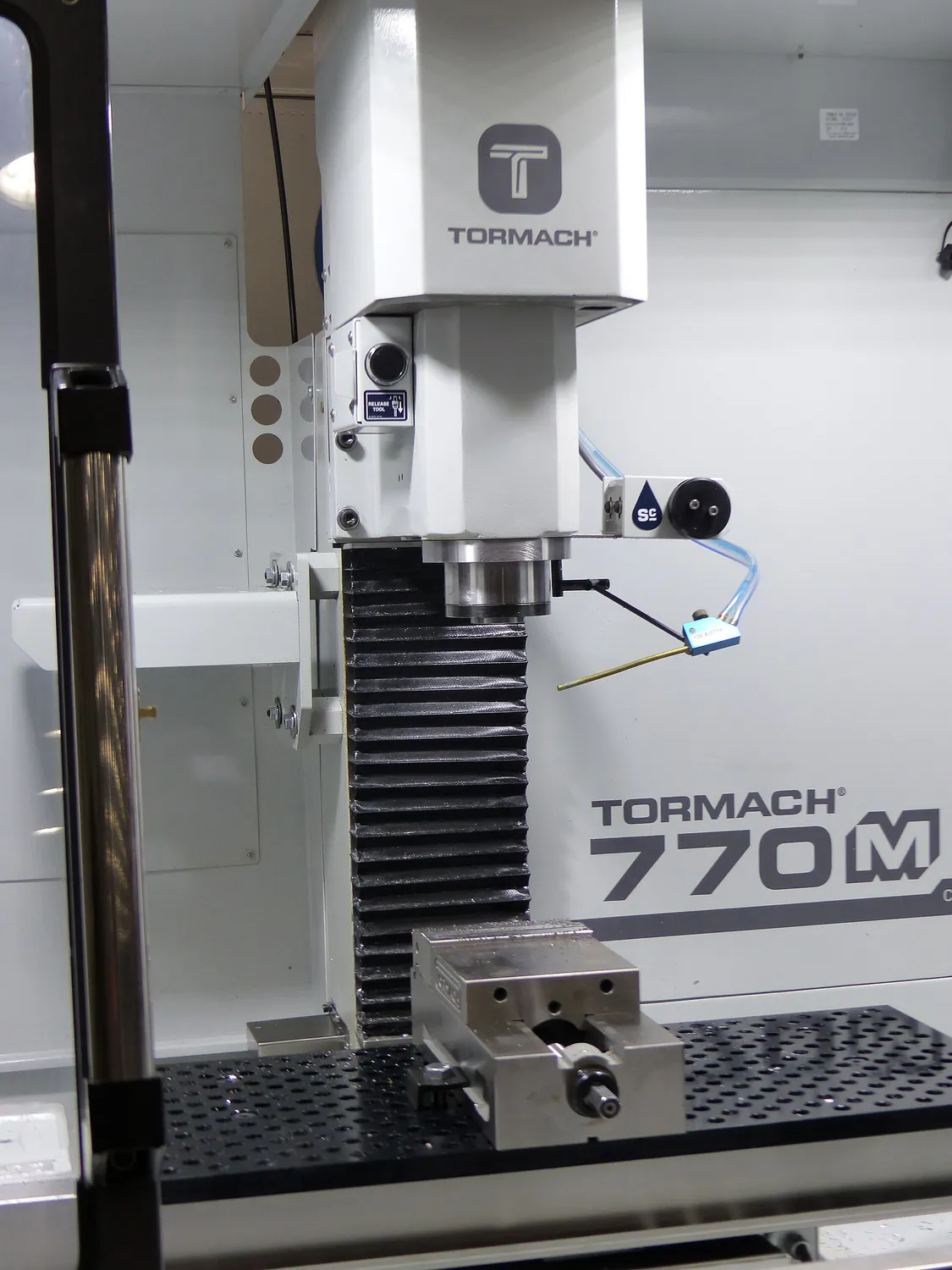 Wikimedia Commons・CNC Mill 1.jpg・CC BY-SA 4.0
Manufacturing processes13 min
Wikimedia Commons・CNC Mill 1.jpg・CC BY-SA 4.0
Manufacturing processes13 min
How cutting conditions actually get decided
Cutting speed decides tool life, feed per tooth decides finish and chip control, depth of cut decides productivity and vibration. This piece covers how the three relate, how the formulas are used, and why following the tool catalogue can still go wrong.
Read more ⌀ Manufacturing processes12 minHow to pick a cutter, and when to change it
The same hole can be made with a drill, an end mill or a boring bar, and the cost differs a great deal. This piece sorts out tool materials and coatings, how to choose the number of flutes, and when a tool should come off the machine.
Read more